The way we build digital products has completely changed. In the past, things moved in a strict, straight line: you had an idea, wrote a massive technical document, handed it off for design, and then painfully passed those mockups to the developers. That linear approach is fading, and product teams are finding totally new ways to work.
Here are four ways modern tools are changing the journey from a basic idea to a finished product.
First, we’re swapping long documents for prototypes. Product managers used to spend days writing huge specifications just to explain what a button should do. Now, it’s much easier to just generate a working draft. A static image only shows what a product looks like, but a live, clickable prototype lets you actually test the logic, user permissions, and weird edge cases. Your idea gets a reality check way before the heavy coding even begins.
Second, code is starting to come before design. We’re used to the old routine: draw the mockup, then write the code. But now, you can flip that around. You can quickly whip up a working interface in code using AI, and then pull that directly onto your design canvas. From there, the team can look at the whole picture, tweak the visuals, and talk through the details. It completely blurs the line between designing and programming.
Third, you can run massive experiments in minutes. Instead of manually drawing the same screen over and over for different devices or use cases, you can let algorithms handle it. Modern generation tools let you create dozens of layout options right on your canvas. The team just has to pick the one that works best, skipping hours of boring, repetitive work.
Finally, nothing gets lost when handing work over to developers. This used to be the biggest headache: programmers would look at a mockup as just a picture and often rebuild the interface from scratch, missing important little details. Now, AI assistants can plug directly into a project’s design system. The AI writes code using the exact components, colors, and spacing the designer set up. Development doesn't start from scratch or with wild guesses anymore - it starts with a perfect understanding of how everything fits together.
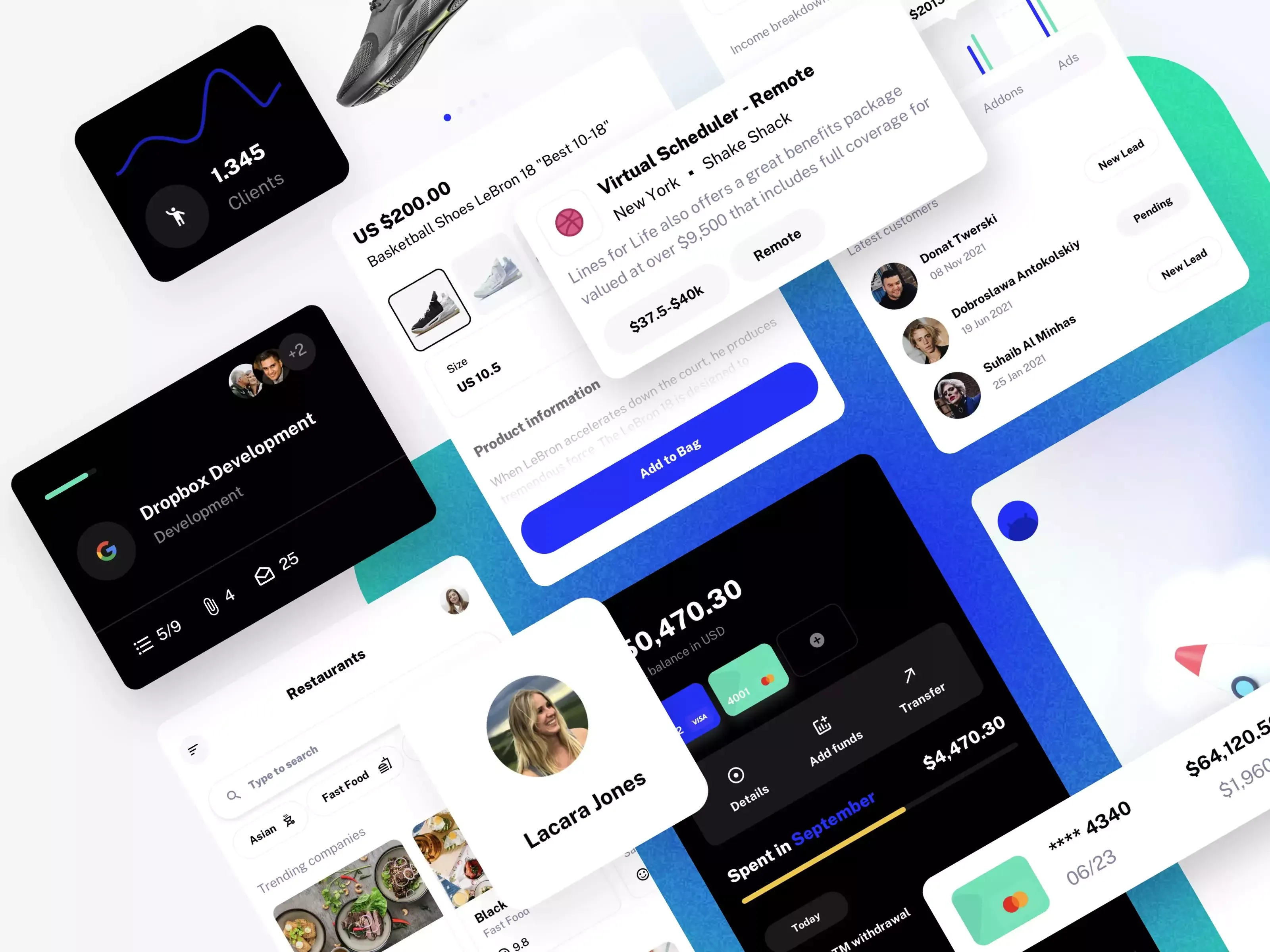
The bottom line is that there's a lot less bureaucracy now. These tools don't do all the work for us, but they make it way easier to test out ideas quickly and ensure that important details don't get lost on the way to launch. Even with all these powerful AI features hitting the market, starting with a solid, high-quality UI kit is still one of the smartest moves a team can make. While AI is amazing at generating layouts and drafting code, combining those algorithms with a professionally crafted set of components takes your workflow to another level. When you rely on a premium UI kit, you completely skip the messy trial-and-error phase of establishing a visual style. This makes building a minimum viable product (MVP) drastically faster and significantly cheaper from day one. Instead of endlessly prompting an AI to fix awkward button sizes or weird spacing, you simply snap together pre-built, polished elements that already look cohesive. Ultimately, AI provides the raw momentum, but a top-tier UI kit provides the reliable foundation, making the entire development process so much easier.