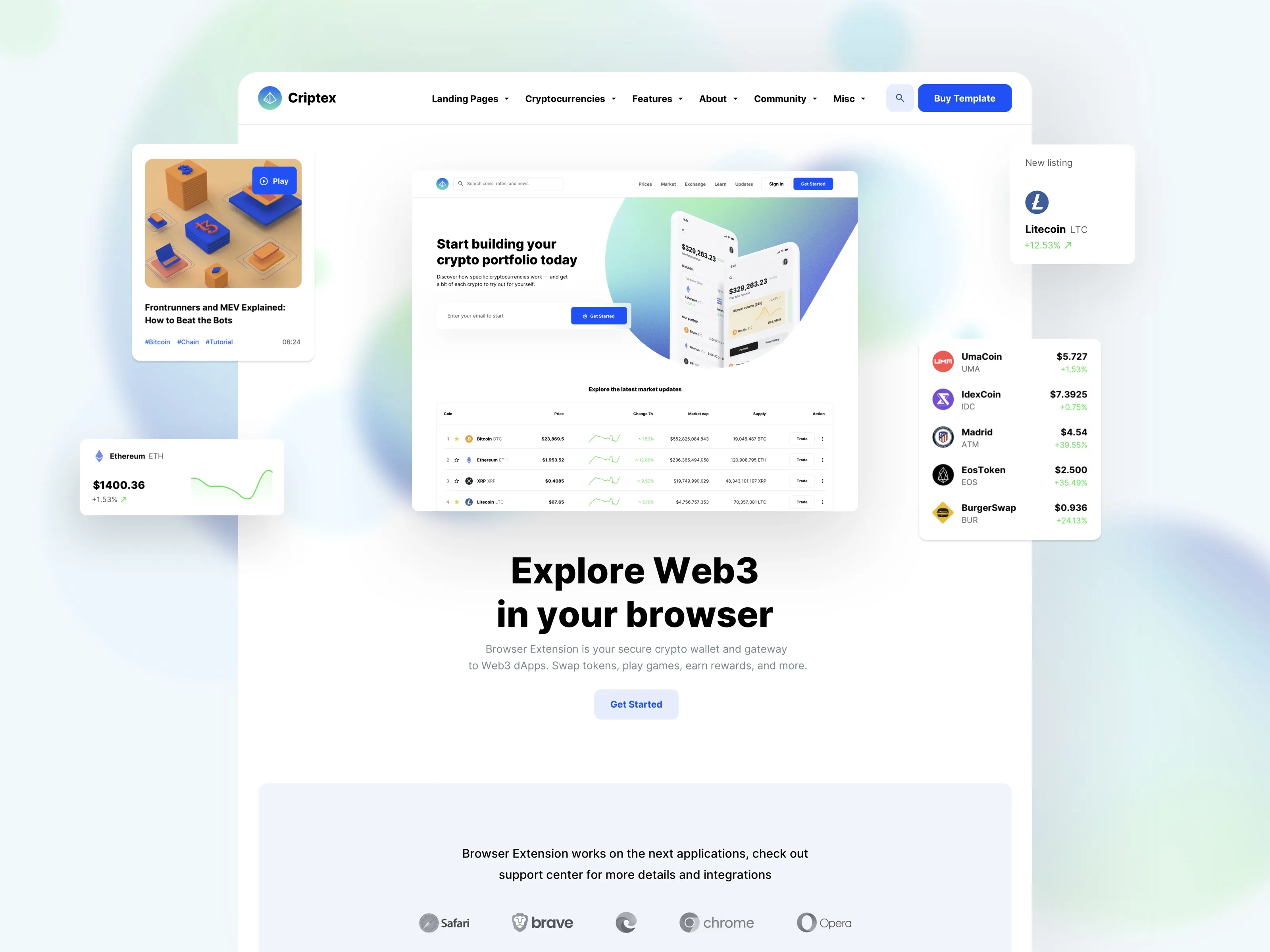
Moving into 2026, the graphic design landscape is shedding its "skin-deep" reputation. The industry is pivoting toward a reality where visual appeal is merely the baseline, while the real value lies in how a design functions and resonates. By blending human intuition with high-tech utility, the next era of design is becoming a multisensory dialogue rather than a static image.
A New Era of Visual Storytelling
The aesthetic forecast for 2026 is a study in contrasts. We are moving toward a "maximalist-human" hybrid where the following elements will dominate:
- Experimental Typography: Bold, oversized, and unconventional fonts that act as the primary visual hook.
- Raw Human Touches: Unexpected doodles, frantic scribbles, and "imperfect" hand-drawn elements that provide an antidote to digital over-polishing.
- Chromative Extremes: A split between ultra-calming, meditative palettes and high-voltage, "shock-factor" neon colorways.
- Retro-Futurism & Surrealism: Nostalgic vibes merged with dreamlike, impossible landscapes that challenge the viewer’s perception of reality.
- The AI Synergy: From Tool to Teammate
The most significant shift, however, isn't what we see, but how it is made. In 2026, technology, specifically Artificial Intelligence, is no longer a novelty; it is the engine behind adaptive and personalized media. Rather than replacing the artist, AI is acting as a force multiplier. It allows designers to move beyond static layouts into interactive and living systems that respond to the user's environment or voice. This partnership between human empathy and algorithmic speed ensures that the future of design isn't just "pretty" - it’s intelligent, authentic, and deeply personal.
Leveraging AI to Amplify Human Intent.
Designers are no longer just "using" software—they are collaborating with intelligent ecosystems to push the limits of what is visually possible. This shift means that AI is becoming the invisible backbone of the entire creative lifecycle. From the initial spark of a mood board to the architectural precision of a brand identity, these tools are accelerating every phase of production. What once took weeks of iteration now happens in a fluid, real-time exchange, allowing designers to focus less on repetitive tasks and more on the high-level strategy and emotional storytelling that defines world-class work.
The fear of displacement is fading as a new reality takes hold: AI isn't the successor to the designer; it is the ultimate apprentice. By 2026, the "Human-in-the-Loop" model will have become the gold standard, where the machine handles the heavy lifting of data and iteration while the human provides the soul, ethics, and final executive pivot.
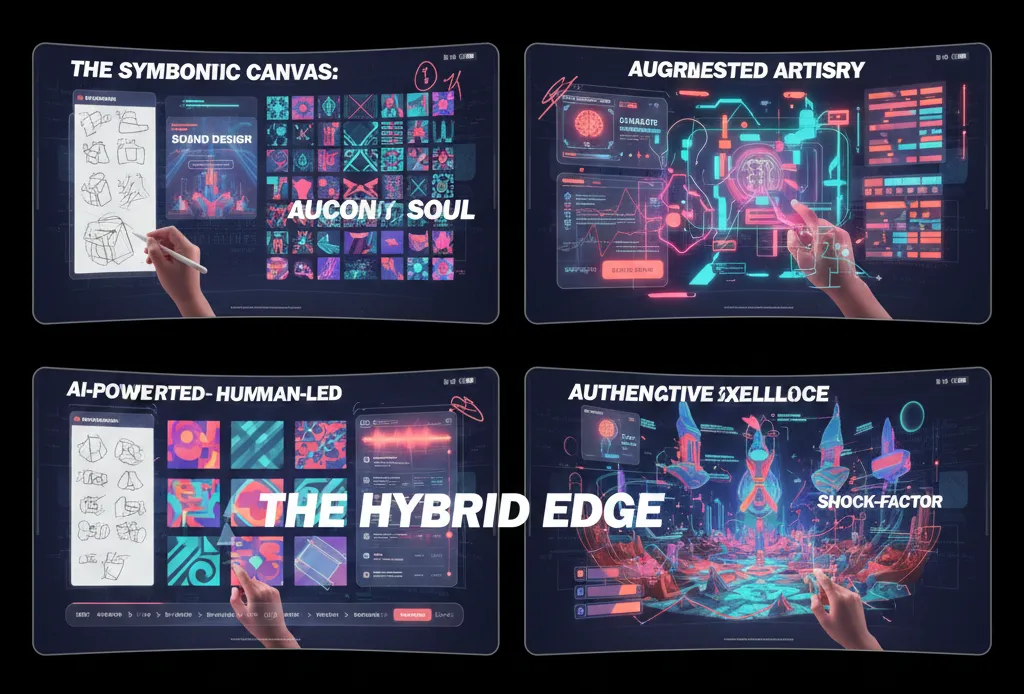
The following showcase highlights the "Magic of the Hybrid" - a collection of breakthrough projects where human vision provided the spark and AI provided the scale. These examples aren't just technical experiments; they are proof that when we stop competing with our tools and start orchestrating them, we unlock a level of innovation that neither could achieve alone. This is a glimpse into a future where the ceiling for creative expression has been permanently lifted.
Modular Layouts
The era of the "standard digital container" is coming to an end. In 2026, designers are shattering predictable, rigid grids in favor of modular, puzzle-inspired compositions that prioritize flow over symmetry. By treating the digital screen as a dynamic canvas rather than a fixed box, interfaces are beginning to mirror the artistic intentionality of high-end editorial magazines and avant-garde posters.
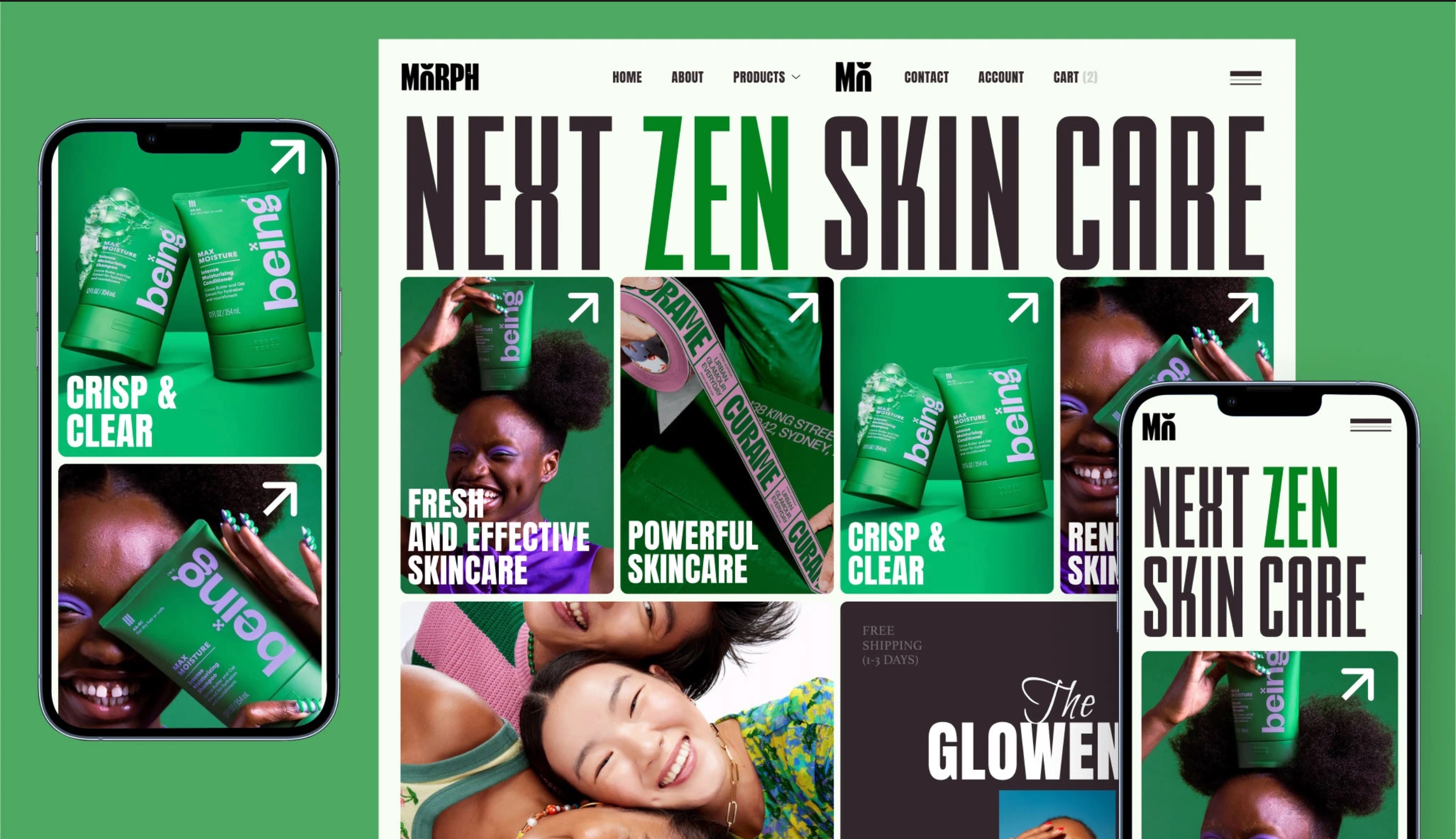
The Rise of Adaptive Geometry. This movement isn't about chaos; it’s about choreographed spontaneity. We are seeing a surge in:
- Asymmetrical Frameworks: Off-balance layouts that guide the eye through intentional tension.
- Layered Depth: Overlapping panels and translucent elements that create a sense of physical space.
- Fluid Structure: Systems that feel "alive" and responsive, shifting playfully while maintaining an underlying logic.
This trend proves that an organization doesn't require a straightjacket. By embracing a more "liquid" approach to layout, designers are proving that structure can be both highly functional and vibrantly modern. It’s a shift from designing for "the fold" to designing for the experience.
Modular Asymmetry. Beyond the Box.
The visual landscape of 2026 is an invitation to get lost in the best way possible. We are seeing a move toward "Curated Randomness," where designers intentionally discard traditional alignment in favor of freeform, scattered compositions. In these environments, elements appear to float across the screen in a beautiful, disorganized dance—yet every piece is a purposeful, interactive touchpoint.
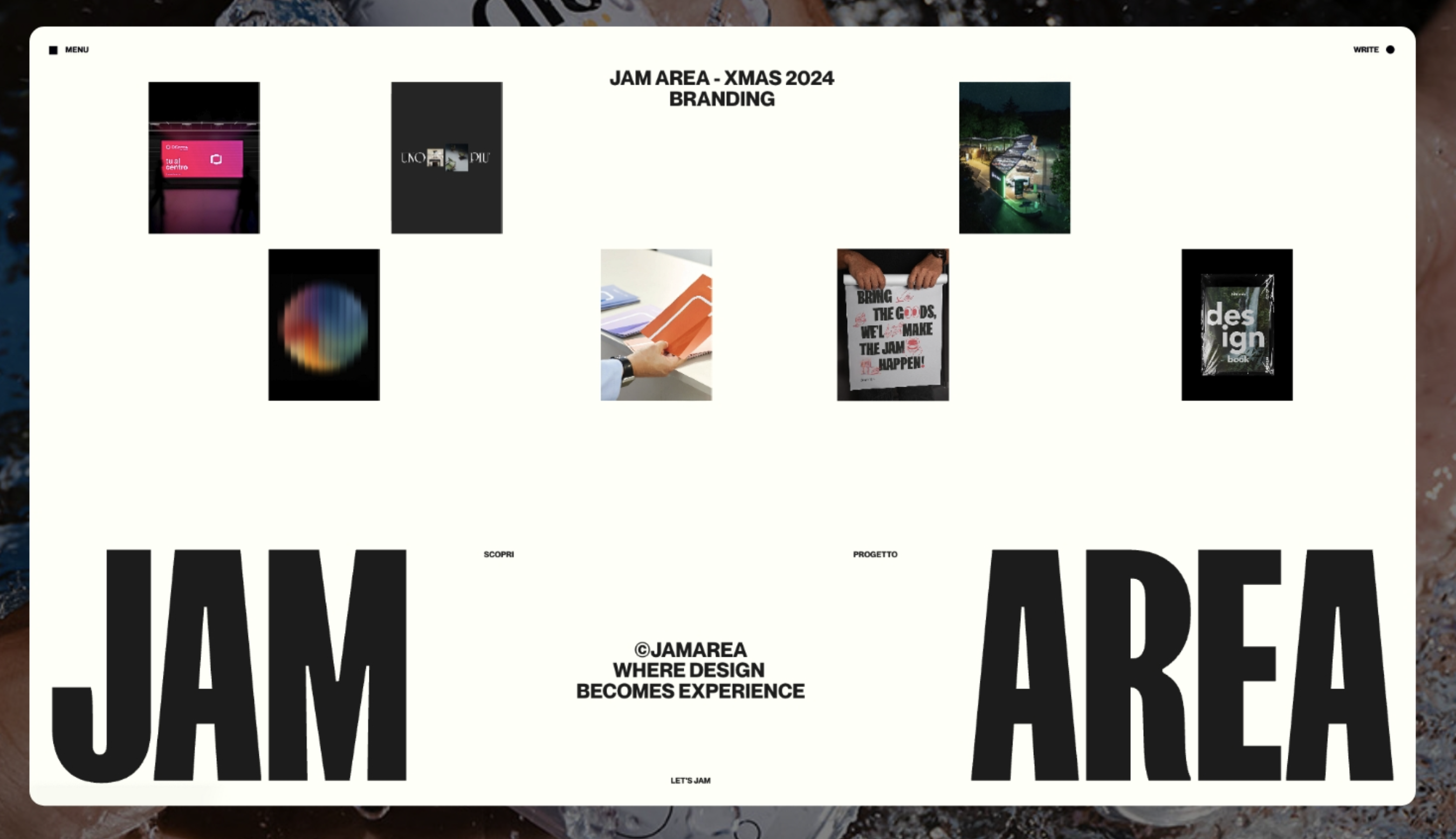
The Art of the Visual Map. This trend transforms a standard interface into a digital territory for exploration. Rather than forcing users down a predictable, linear path, these layouts encourage:
- Non-Linear Discovery: Navigation that feels like a treasure hunt, rewarding curiosity and clicks.
- Intentional Friction: Slowing the user down just enough to let them appreciate the artistry and surprise of the layout.
- The "Anti-Template" Philosophy: A direct rebuttal to the cookie-cutter websites of the past decade.
Ultimately, this movement reminds us that the shortest distance between two points isn't always the most impactful. By leaning into the unexpected, 2026’s designs turn every interaction into a memorable moment of discovery. It’s proof that when you give users a map instead of a hallway, the experience becomes much more personal.
The Rise of Responsive 3D
In 2026, the digital canvas is gaining physical weight. We are entering the era of "Maximalist Volume," where layouts are anchored by massive, sculptural 3D objects designed to disrupt the viewer’s focus. Think of these not as decorations, but as digital landmarks: towering glass spheres, distorted ribbons, and molten-metal blobs that pulse with an internal energy.
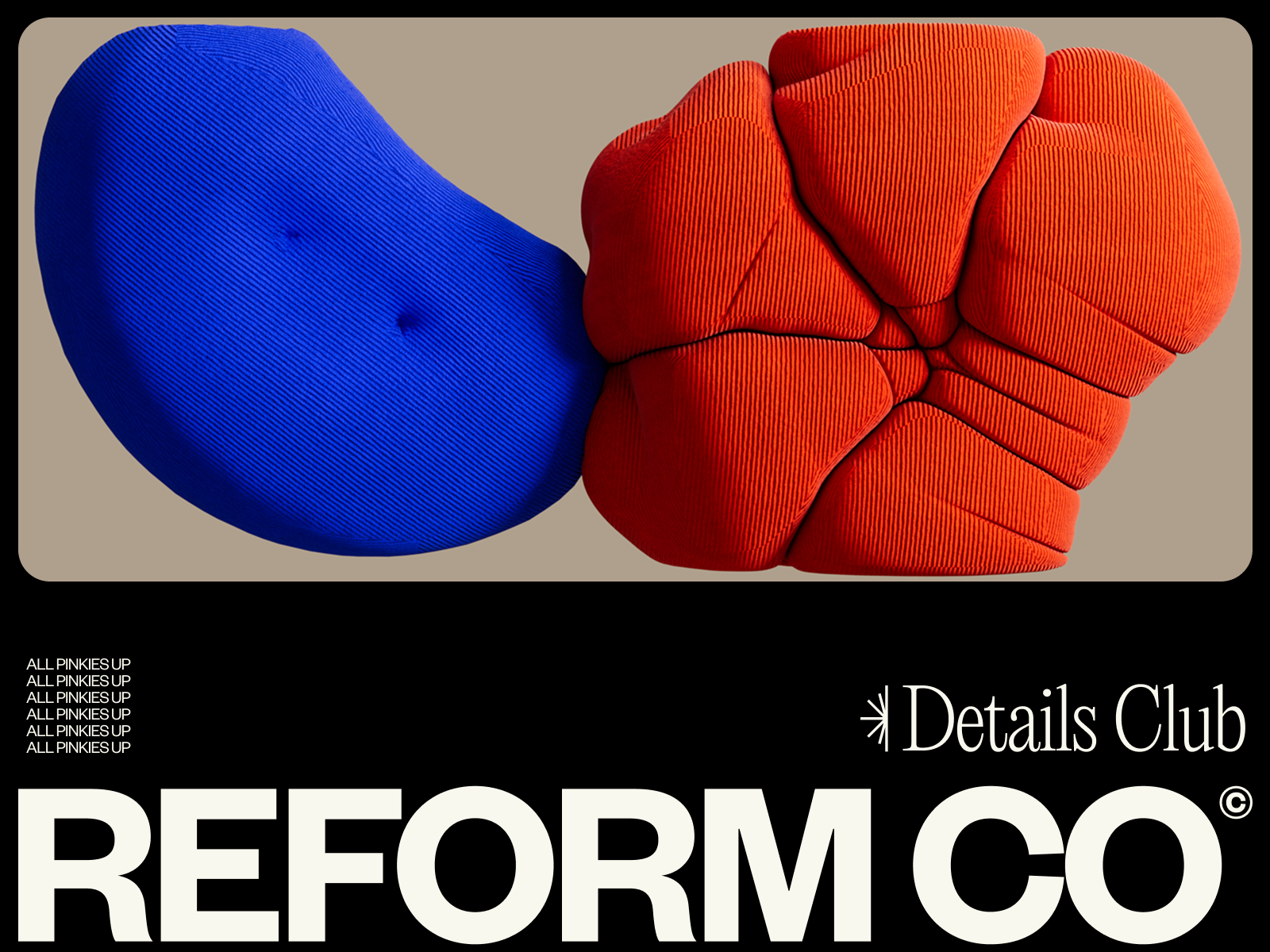
The Rise of Non-Objective Geometry. These abstract shapes aren't burdened by the need for literal meaning. Instead, they serve as visual catalysts—designed to inject a sense of high-gloss modernity and surreal depth into minimalist spaces. You will find these "digital sculptures" dominating:
- Interactive Hero Zones: Serving as the primary heartbeat of a landing page.
- Liquid-Metal Identity Systems: Providing a futuristic edge to brand campaigns.
- Spatial Social Media Graphics: Elements that feel like they are popping off the screen.
The real breakthrough in 2026 is the "Live-Response" nature of these forms. These are no longer looping video files; they are sentient geometries that inhabit the screen. As you tilt your phone, drag your cursor, or scroll through a narrative, these liquid shapes might ripple, expand, or recoil. This tactile feedback loop turns a passive viewer into an active participant, making the interface feel less like code and more like a living, breathing substance.
Futuristic User Interfaces
By 2026, the boundary between cinematic science fiction and commercial design will officially evaporate. We are heading toward a "Command Center" aesthetic, where interfaces are shedding their minimalist skin to reveal complex, high-performance visual systems. This isn’t just about looking like the future; it’s about communicating a sense of computational authority and hyper-precision.
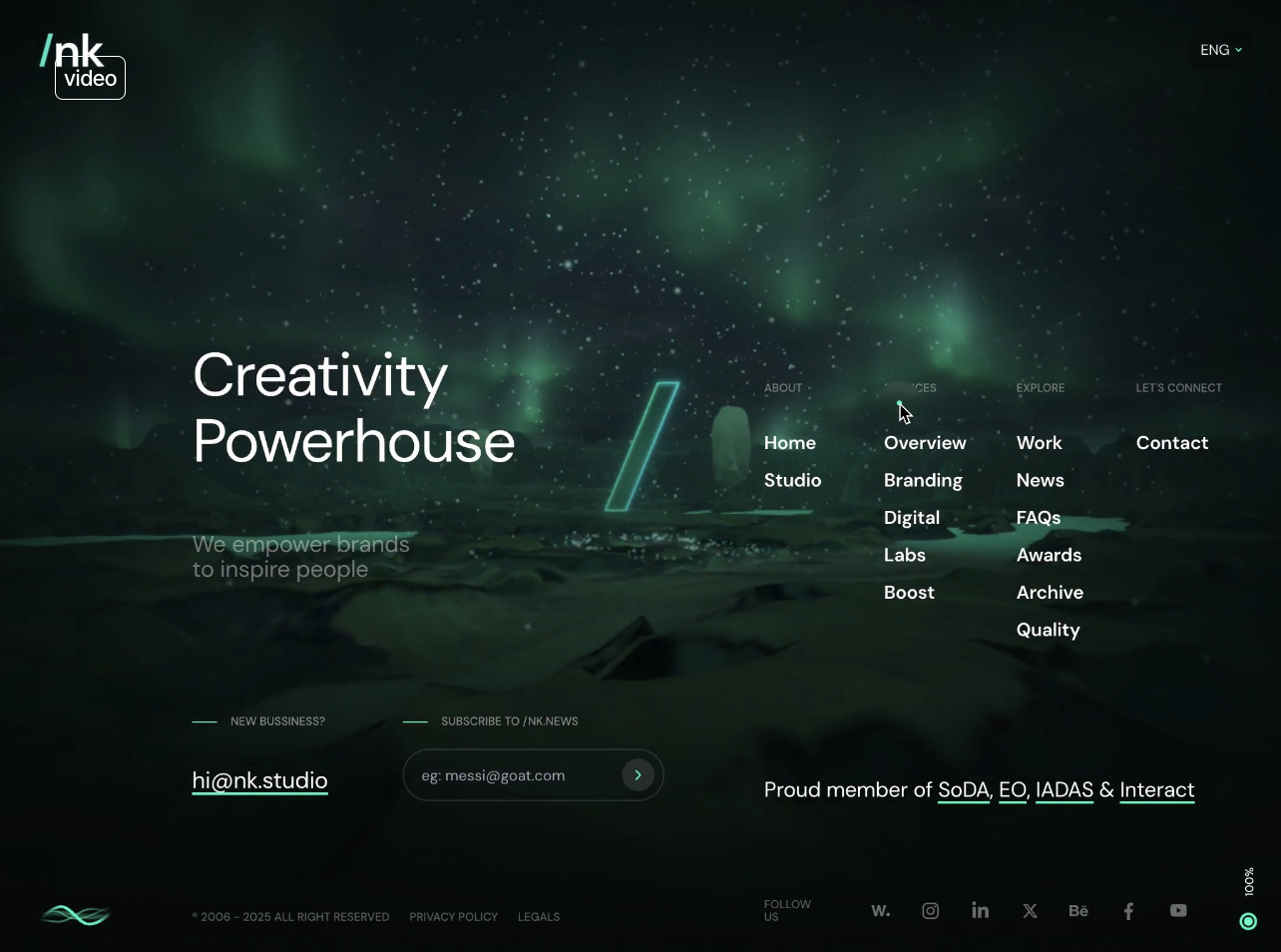
The Dashboard Aesthetic: Intelligence in Every Pixel. This movement transforms static information into a living, glowing ecosystem. Key visual pillars include:
- Luminescent Architecture: Intricate, glowing grids and neon-etched wireframes that provide a structural "skeleton" to the design.
- Tactical Infographics: Data visualization that feels like a mission-critical readout, utilizing sleek UI elements and layered telemetry.
- Aerodynamic Typography: Sharp, tech-forward fonts that feel engineered rather than merely typeset.
Beyond the Screen: Where Sci-Fi Meets Strategy. While this look has obvious roots in gaming and hardware, its reach is expanding into unexpected territories. In FinTech, it’s being used to convey the speed and security of algorithmic trading; in editorial design, it turns dry statistics into immersive, scrollable narratives. By adopting the visual language of a starship’s bridge, brands are signaling to their audience that they are not just providers—they are navigators of a complex, data-driven world.
Soft-glow Background Gradients
In 2026, the "gradient fever" of the past has cooled into a refined, atmospheric art form. We are moving away from the high-octane, neon-drenched transitions of the early 2020s and toward "Ambient Chromatics." These are gradients that don't shout for attention; instead, they act like a soft-focus lens or cinematic lighting, providing a sophisticated backdrop that feels both expansive and serene.
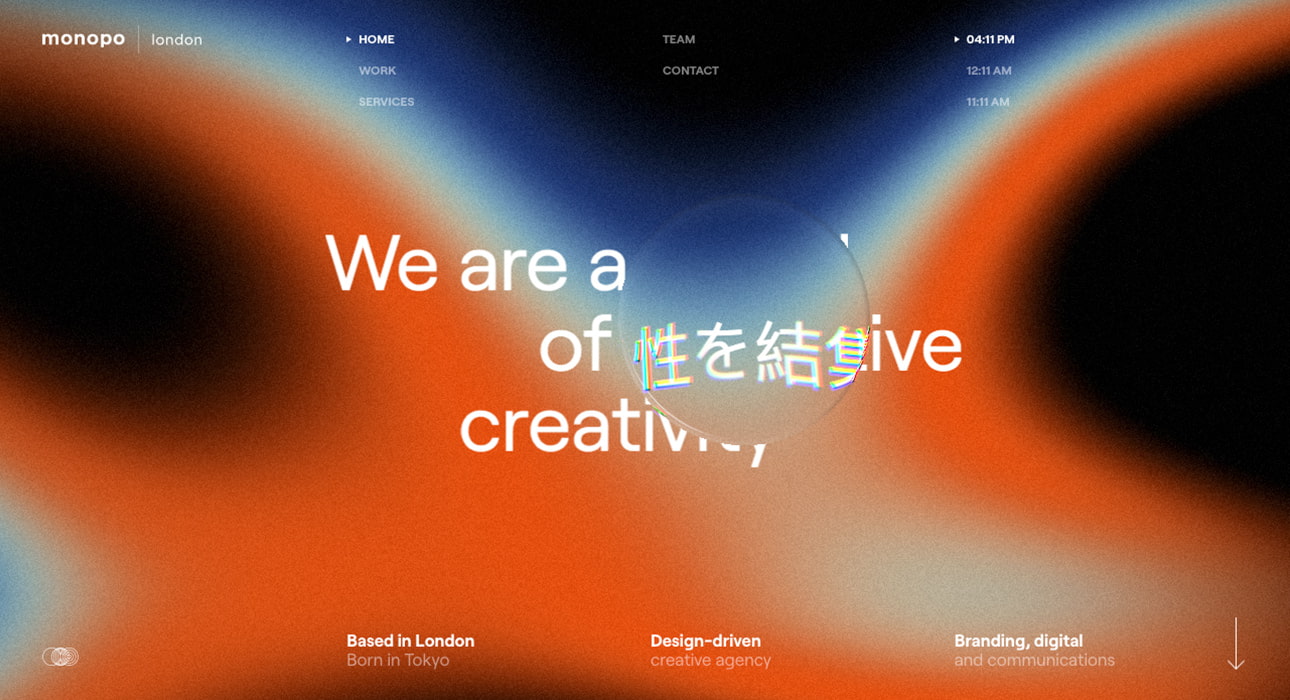
The Rise of Atmospheric Depth. The palette of the future is defined by subtlety and mood. Rather than sharp color clashes, the 2026 aesthetic prioritizes:
- Ethereal Pastels & Smoky Fades: Colors that bleed into one another like a morning mist or a fading twilight, creating a sense of calm and luxury.
- Cinematic Textures: Transitions that feel like light hitting a physical surface, giving digital screens a more organic, "lived-in" feel.
- Liquid Transitions: Instead of static fills, these gradients appear to shift and breathe, offering a sense of motion that is felt rather than seen.
Micro-Glows and Guided Interaction. This maturity extends beyond the background and into the functional DNA of UI. We are seeing the rise of "Micro-Glows"—tiny, luminescent shifts applied to buttons, icons, and navigation bars. These subtle color bleeds act as an intuitive breadcrumb trail for the user. Instead of a harsh "click here" signal, the design uses a soft, shifting glow to gently pull the eye and invite a touch. It’s a transition from "loud" design to "intuitive" design, where the interface feels as warm and welcoming as a well-lit room.
Retro Aesthetics
In 2026, nostalgia isn't a retreat into the past; it’s a high-definition remix. We are entering the era of "Hyper-Retroism," where the design world selectively harvests the best of the '80s, '90s, and the "Y2K" web era to build something entirely new. This isn't about carbon-copying old styles, it’s about injecting "vintage DNA" into ultra-modern, high-performance frameworks.
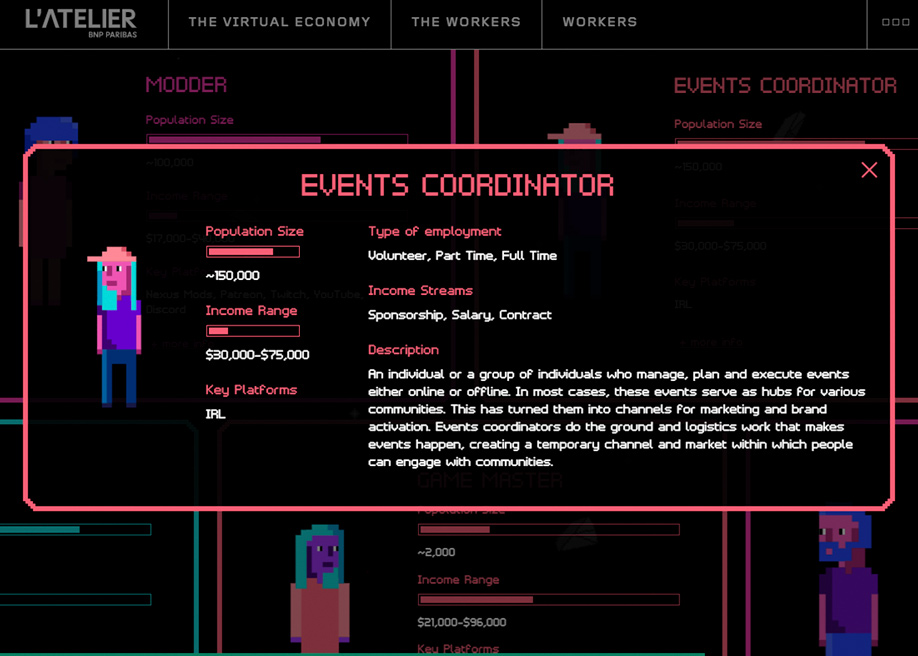
The New Visual Dialect: Analog Souls, Digital Bodies. The 2026 aesthetic thrives on a specific set of tactile, "chunky" design cues layered over sleek digital utility:
- Substantial Geometry: Thick, confident borders and oversized "bubble" typography that offer a physical presence on a flat screen.
- Lo-Fi Textures meet Hi-Fi Tech: Grainy, paper-like finishes and "bitmapped" textures are being paired with high-speed metallic gradients and holographic overlays.
- The "Ugly-Cool" Palette: Muddy, retro-inspired tones are being revitalized by pops of neon and iridescent finishes, creating a color story that feels both grounded and electric.
A Collision of Timelines. The most compelling work of 2026 lives in the contrast between the familiar and the surreal. We are seeing a "Mashup Culture" where a pixelated, 90s-style icon might sit inside a liquid-metal, 3D interface. This creates a "familiar-yet-otherworldly" sensation—an aesthetic that triggers a sense of comfort through nostalgia while simultaneously pushing the boundaries of futuristic ambition. It’s a design philosophy that says we can remember where we came from while moving at light speed toward where we’re going.
Noise & Texture Backgrounds
In 2026, the design world is staging a quiet rebellion against the "uncanny valley" of digital perfection. We are entering the age of "Sensory Grit," where noise and grain are intentionally reintroduced to give both screens and surfaces a soul. As AI-generated visuals become more polished, designers are pivoting toward intentional imperfection to signal authenticity, warmth, and a human touch.
- The Digital Defrost: Breaking the Glass. In the digital realm, "too perfect" is starting to feel "too cold." To counter this, the 2026 aesthetic uses:
- Atmospheric Noise: Subtle overlays that make a flat screen feel like a physical object.
- Grainy Gradients: Replacing smooth, clinical color transitions with "sand-dusted" blends that mimic the look of traditional lithography or film stock.
Tactile Interfaces: Backgrounds that carry the microscopic "tooth" of paper or the weave of fabric, grounding high-tech apps in a more natural, familiar reality.
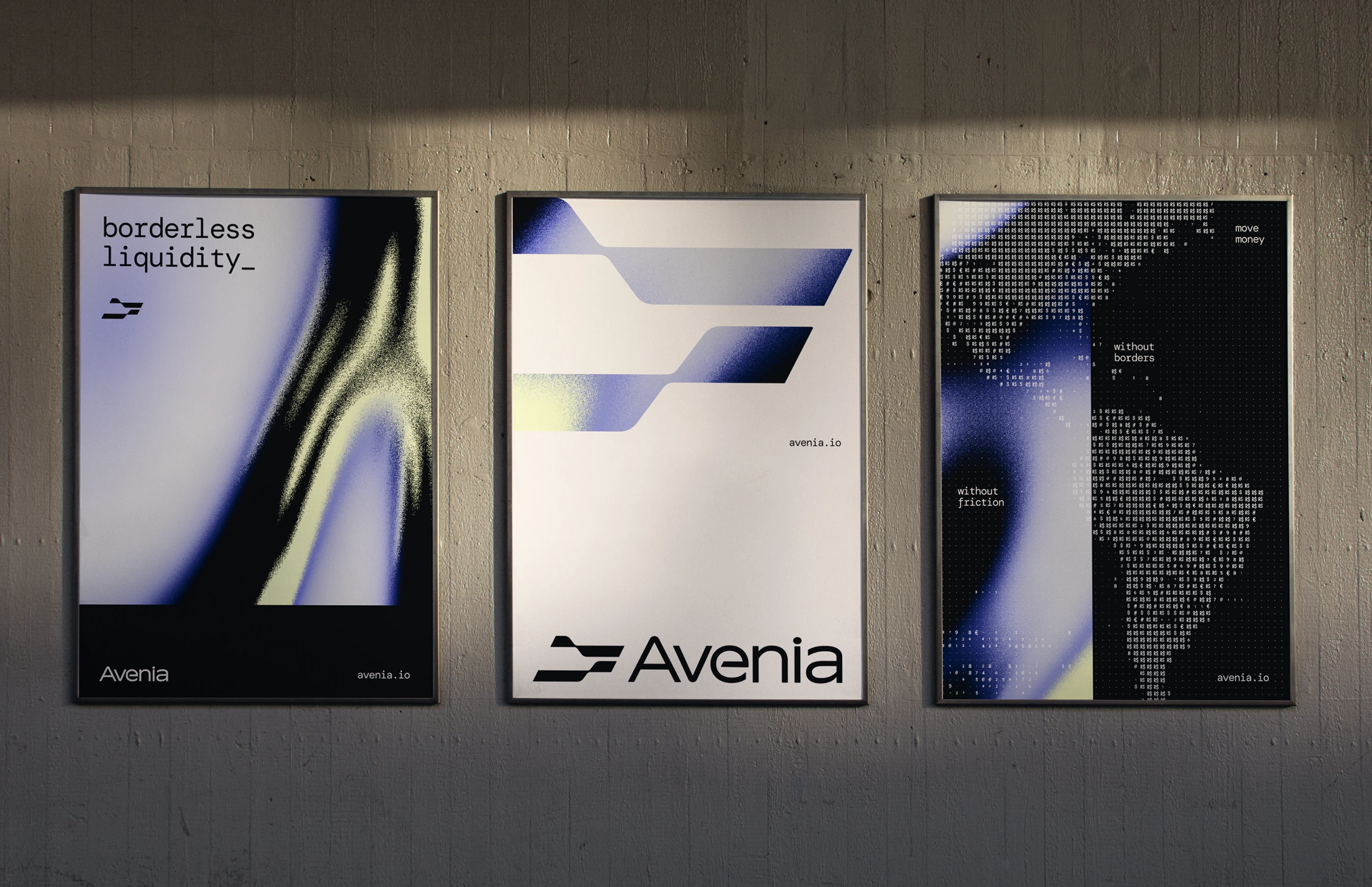
Tangible Sustainability: The Feel of the Future. This movement is even more pronounced in the physical world. Product design is moving away from slick, disposable plastics toward "Communicative Textures." Packaging now features:
- Organic Speckling: Highlighting recycled content through visible fibers and raw, unbleached finishes.
- Tactile Narratives: Using debossing and "toothy" paper stocks to tell a brand’s story through the fingertips rather than just the eyes.
By 2026, the obsession with "pixel-perfection" has been replaced by a celebration of the organic flaw. This rediscovery of texture is a powerful reminder that design is most effective when it feels reachable. Whether it's a grainy mobile app or a speckled cardboard box, the goal is to make the user feel a connection to something real, grounded, and undeniably human.
By 2026, graphic design will have transcended the era of "singular styles" to enter a period of unapologetic pluralism. We are moving toward a creative landscape where the goal isn't to follow a blueprint, but to break it. While Artificial Intelligence has become the industry's engine, the human designer remains its heartbeat - the essential curator of soul, story, and emotional truth. Ultimately, the forecast for 2026 tells us that the future isn't a sterile, computer-generated world. It is a vibrant collaboration where technology provides the scale, but humanity provides the purpose. Design is no longer just a service; it is a bold, playful, and deeply felt exploration of what it means to be alive in a digital age.


